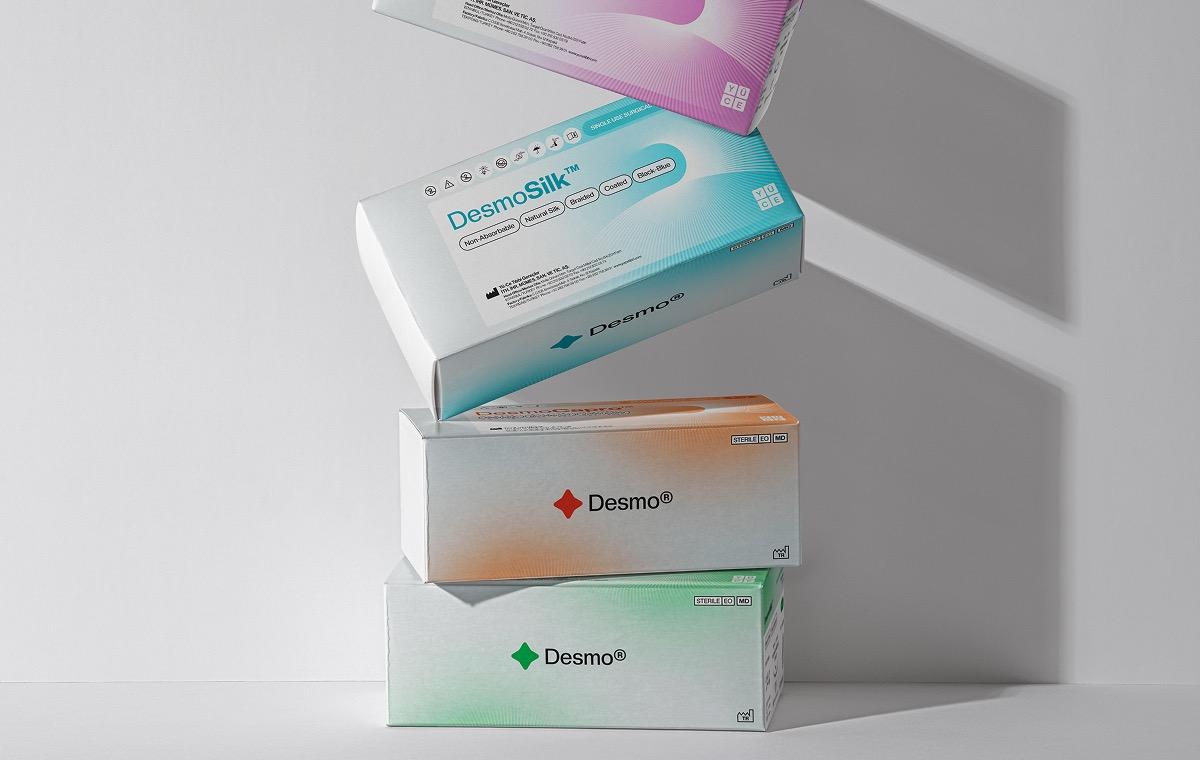
Drug-Eluting Sutures: How They Reduce Infection by 30%
Drug-eluting sutures release antimicrobial agents directly at the wound site, cutting surgical site infection rates by roughly 30%. This article explores the science, clinical evidence, and emerging formulations shaping the next generation of anti-infective sutures.
What Are Drug-Eluting Sutures?
Drug-eluting sutures are surgical threads engineered to release therapeutic agents — most commonly triclosan, chlorhexidine, or newer antiseptic compounds — in a controlled manner at the wound site. Unlike systemic antibiotics, they deliver high local concentrations precisely where infection risk is greatest, minimizing systemic side effects.
How Much Do They Reduce Infection?
A comprehensive meta-analysis published in The Lancet Infectious Diseases (2025) covering 19 randomized controlled trials and over 11,000 patients found that triclosan-coated sutures reduced SSI incidence by 30% (RR 0.70, 95% CI 0.61–0.80). The benefit was consistent across clean, clean-contaminated, and contaminated wound classifications.
- Abdominal surgery — 33% SSI reduction.
- Cardiac sternotomy — 28% SSI reduction.
- Cesarean section — 35% SSI reduction.
Beyond Triclosan: What's Next?
Concerns around triclosan resistance and environmental persistence have accelerated research into alternative drug payloads. Promising candidates include:
- Octenidine dihydrochloride — broad-spectrum, no known bacterial resistance.
- Chlorhexidine gluconate — well-established safety profile, effective against MRSA.
- Nitric oxide donors — dual antimicrobial and vasodilatory effects that promote healing.
"Local antimicrobial delivery via sutures represents the most practical SSI-prevention tool available to surgeons today." — WHO Global Guidelines on SSI Prevention, 2025 Update
Desmo Care's Role in Drug-Eluting Technology
Desmo Care's suture manufacturing platform supports advanced coating processes compatible with drug-eluting formulations. Our R&D team is evaluating next-generation antimicrobial coatings that maintain tensile strength and knot security while delivering sustained antimicrobial release over 7–14 days — the critical window for SSI development.
Clinical Takeaway
For surgeons seeking evidence-based infection-prevention strategies, drug-eluting sutures offer a proven, cost-effective layer of protection. Combined with standard aseptic protocols, they can significantly reduce SSI burden and improve patient outcomes.