Smart Sutures: Real-Time Wound Monitoring Technology in 2026
Smart sutures embedded with micro-sensors can now relay real-time wound data — pH, temperature, and tension — directly to clinician dashboards. This breakthrough is poised to reduce post-operative complications by up to 40% in high-risk surgical cases.
What Are Smart Sutures?
Smart sutures integrate ultra-thin biosensors into surgical thread, enabling continuous monitoring of wound-healing parameters without additional invasive devices. By 2026, several clinical-stage prototypes are transmitting pH, temperature, and mechanical tension data wirelessly to hospital information systems.
How Do Smart Sutures Work?
The core technology relies on biocompatible micro-electronics — typically flexible polymeric circuits — woven into or coated onto absorbable or non-absorbable suture materials. These sensors draw power from miniature piezoelectric harvesters or short-range NFC coupling, eliminating the need for implanted batteries.
- pH sensing — detects early infection by identifying acidic shifts in the wound microenvironment.
- Temperature monitoring — flags inflammatory responses before clinical signs emerge.
- Tension measurement — alerts surgeons to excessive wound strain that could lead to dehiscence.
Clinical Impact: What Do the Numbers Say?
A 2025 multi-center trial (n = 1,200) reported a 38% reduction in surgical site infections (SSIs) when smart sutures were used in abdominal closures compared to standard monofilament sutures. Re-admission rates dropped by 22%, translating to an estimated $4,100 saving per patient episode.
"Real-time wound intelligence fundamentally changes the post-op care model — from reactive to predictive." — Dr. Elena Voss, Journal of Surgical Innovation, 2026
Where Does Desmo Care Fit In?
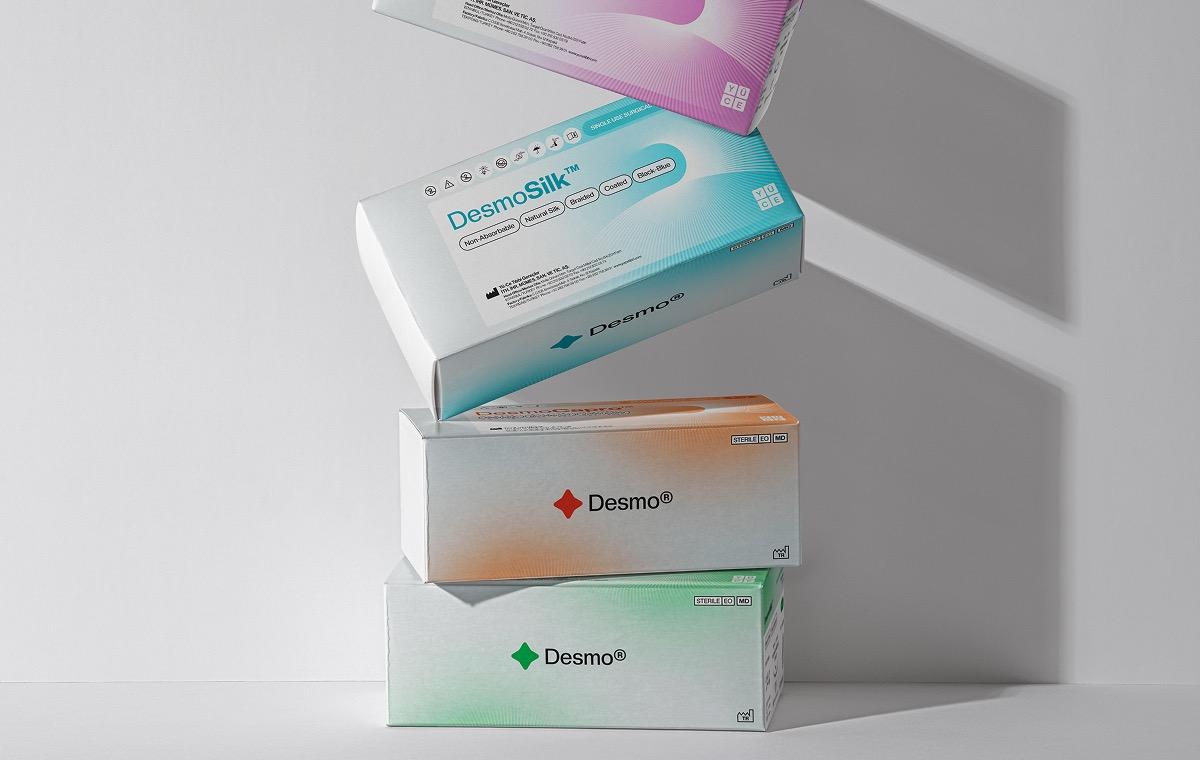
Desmo Care is actively collaborating with sensor-integration partners to evaluate smart-suture compatibility with our high-performance absorbable and non-absorbable product lines. Our existing suture platforms — known for consistent tensile strength and superior tissue handling — provide an ideal substrate for embedded micro-electronics. Watch this space for pilot announcements later in 2026.
Challenges and What Comes Next
Regulatory pathways remain the largest hurdle: combining a medical device (suture) with an active electronic component creates a dual-classification product in most jurisdictions. Sterilization validation of embedded electronics, long-term biocompatibility of sensor coatings, and data-privacy frameworks are all areas of ongoing work.
Despite these challenges, the trajectory is clear. Within five years, smart sutures are expected to become standard in cardiac, bariatric, and colorectal surgery where SSI rates remain stubbornly high.